The very first time I saw a team of complete strangers reach the farm, shoulders high and eyes down, I recognized we would certainly begin with breath, not chat. The steeds were already grazing in the lower pasture, flipping their ears at the wind. Within mins of tipping via eviction, people sought out. Steeds do that to us. They request for presence without words, and they do it kindly. What occurs following is what I call belonging based mentoring, a means of helping people find steadiness inside themselves while standing in real partnership with animals, land, and each other.
Belonging sounds soft until you recognize how difficult it is to feel like you absolutely belong in your own body, on a group, or with your household when tension, trauma, or a busy mind has been running the show. On the farm, we construct that ability step by concrete step. We do it via restorative horsemanship and equine-assisted solutions that put connection at the facility, abilities in genuine contexts, and neighborhood around the sides for security. Some folks come for equine-assisted mentoring around management or communication. Others get here seeking equine-facilitated wellness, especially when talk-only approaches have delayed. We also run experiential learning with steeds for schools and workplaces, and we work together on group structure with equines for firms that prefer to trade an additional meeting room for a set of curious eyes and 4 stable hooves.
What it indicates to coach for belonging
Coaching for belonging means the goal is not just understanding, it is combination. Individuals learn what they feel, what they require, and exactly how to straighten their activities with their worths, after that they attempt it in a living system where comments is truthful. Equines align to clarity and authenticity. They disengage from mixed signals, and they soften when we soften. That is the training arc in miniature.
I keep 2 questions in front of me during sessions. First, what helps he or she feel safe enough to appear honestly. Second, what makes it likely they will practice this skill in your home, work, or college. We map sessions to every day life. If a parent is finding out to set limits without pity, we practice routing a horse in a rounded pen with borders that are clear and kind. If a manager struggles to hand over, we established a short course with cones and ask a little team to obtain a steed from factor A to point B without touching the rope, which forces nonverbal sychronisation and depend on. The horse increases the lesson by mirroring the team's real coherence, not their specified plan.
Belonging likewise means widening the circle. Some days one https://lukasyvnv984.iamarrows.com/sensory-smart-saddles-choice-treatment-for-sensory-obstacles of the most recovery hour is on the barn aisle, cleaning a steed along with a retired neighbor that recognizes every knot in the hay net. Shared job, light conversation, the rhythm of a soft brush on a thick wintertime coat, these are not side tasks. They are the dirt that feeds change.
Why horses
Horses are prey pets that endure by attuning to their atmosphere. They read micro-movements and physiology in such a way human beings usually bypass. That level of sensitivity is not mystical, it is practiced. When a person with anxiousness strolls up, breath high and shallow, a steed might elevate its head or go back. If that very same person shifts to a slower exhale, softens their eyes, and grounds via their feet, the steed commonly mirrors that regulation by lowering its head, licking and eating, or shutting its eyes. The biofeedback is instant and nonjudgmental.
Their dimension matters as well. You can not fake a feeling of control alongside a 1,000 pound partner. You need to locate it, after that communicate it with quality and regard. That fact helps people alter their assertiveness. A teenager that has actually been called defiant can find out to assert area without hostility. A peaceful adult can experiment with quantity and direction and understand calm management does not indicate little leadership.
I rely on equines since they carefully fall down the distance between what we assume we are doing and what we are actually doing. They lighten up strengths we neglect and shine light on habits that require attention. And they do it in a pasture that smells like lawn, not a fluorescent space that scents like stress.
An early morning on the farm
By 8:30 a.m., the herd has submitted below the upper area to the catch pen. We welcome each equine, halter those set up for sessions, and enable others to wander back to graze. A volunteer spreads out hay in sluggish feeders, a small information that establishes a tranquil tone. Clients drip in by the hour. We keep the timetable spacious, since hurrying ruins attunement.
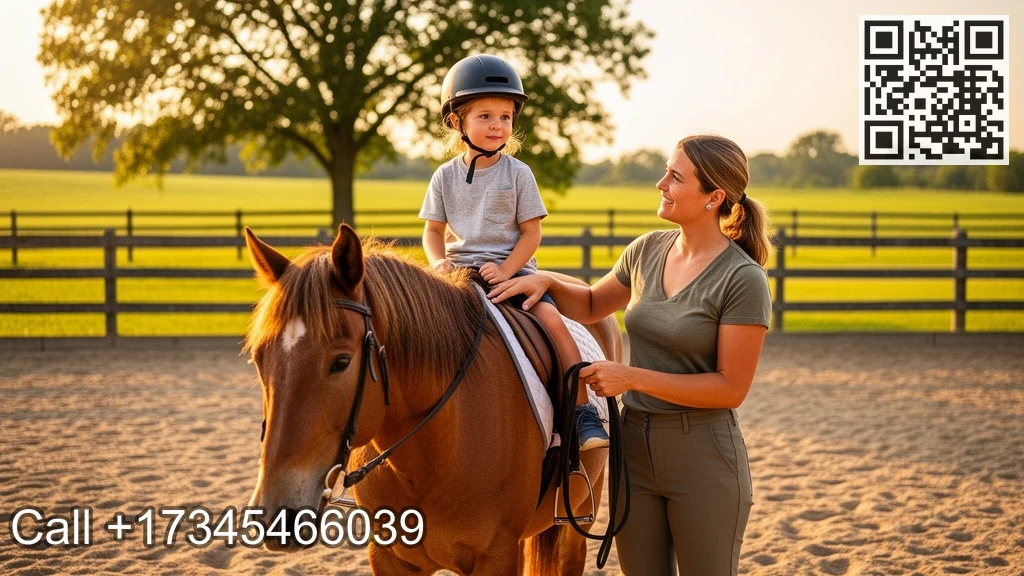
One current morning, I collaborated with a 12-year-old that has ADHD. He has a hard time most with shifts and impulse control at college, where a hold-up in guidelines becomes a burst of activity that obtains him in difficulty. We set a 20-minute job: lead our Haflinger mare via a pattern, pause at cones, after that back 3 actions. I offered him a remote control to note his own stops briefly before asking her to stop briefly. The pairing altered whatever. His best session happened when he practiced a half-second time out, clicked, after that asked. The mare mirrored him cleanly. He completed the pattern with a smile that got to both ears. That is ADHD equine learning support at work: realtime feedback, a physical support for timing, and a companion who does not take habits personally.
Right after, a grown-up customer came for anxiousness support with equines. We stayed outside the pen. She stood with one foot on the rail, one on the ground, and tracked her breath while naming what she saw in the pasture. Her research was to practice the exact same position on her front action two times a day. A month later she claimed this was the very first time in years she might feel her heart beat sluggish without medications. The ranch did not treat her anxiety. It offered her a repeatable, somatic doorway to regulation.
What a session looks like
Every program runs differently, however this is the core circulation I use for equine-assisted tasks and equine-facilitated mentoring. It is not inflexible. We adjust for age, objectives, season, and energy.
- Arrival and orientation. We stroll the space, evaluation permission and hints, confirm boundaries, and choose a steed with each other based on the day's aims. Groundwork initially. We begin on the ground unless there is a strong therapeutic factor to ride. Skills consist of leading, producing hindquarters, backing, and standing in shared stillness. Focused practice. We include a simple difficulty that fits the training goal, such as guiding through cones, freedom work in a tiny pen, or a grooming series with a particular interaction cue. Reflect and link. We debrief with concrete language. What did you observe in your body. What did the horse do when you breathed out. Where does this program up in your home or work. Close and treatment. We close with 3 good strokes of a soft brush, provide the horse a moment to launch, and return tack nicely. Care routines issue. They instruct completion.
On team days, this flow scales. Groups turn with stations, and we keep jobs short so momentum remains high. In team structure with equines, I typically assign a single person as the observer that can not speak, just document. Their notes come to be gold when we reflect on whose voice filled up the space and whose did not.
Ethics, security, and scope
Good ranches do not deal with horses as tools or people as jobs. They hold a solid security society and a clear scope of practice. Our technique mixes therapeutic horsemanship with mental health techniques, however we are not a health center. When customers require medical oversight, we coordinate with accredited companies. When the job is mentoring rather than treatment, we mark that clearly and prevent wandering right into locations finest managed by a clinician.
We screen for warnings. Fresh head injuries, unchecked seizures, and severe psychosis are not proper for this setting. We look for allergic reactions, history with pets, and compound make use of that can harm safety and security. We additionally ask about what helps someone calm down and what does not, then we build from there.
Horses need care as well. Procedure must not overload a sensitive gelding or place an eco-friendly mare in a leadership duty she is not all set for. We revolve steeds, give them downtime, track their weight and hooves, and pay attention to our wranglers when they say a steed is tight or irritable. That is not superstitious notion, it is information from individuals that review the herd daily.
Somatic knowing, not just talk
I love language, however bodies learn best by doing. Somatic recovery with horses appears in the little moments. A cyclist notifications her jaw and belly soften when she matches the equine's stroll. A man with an injury background feels his spine extend when he locates a clear of course in his lead rope as opposed to a pulled command. These are not one-off wonders. They are repeatings that build brand-new patterns. Research on heart price variability and co-regulation supports what we see at the rail: when an individual works out, a horse often settles, and the partnership itself comes to be a regulator.
We name feelings and motions, not simply ideas. We seek what is too much and what is insufficient. We strangle intensity by changing range from the equine, adjusting jobs, or moving from the open field to a smaller sized area. Somatic abilities traveling. A client who discovers to stop and feel her feet prior to asking an equine to move can utilize the same cue before going into a difficult meeting.
Neurodiversity and sensory needs
People on the spectrum and those with sensory handling distinctions frequently prosper on farms, provided we build in predictability and choice. Our autism equine finding out program keeps the very first visit short, 30 to 45 minutes, and stresses a clear path: auto parking to gateway to brushing bay to pasture, with aesthetic supports. Some customers prefer to start fifteen feet from the herd and work their method better over weeks. We never force touch. Touch taxes some nerves. A lot of discovering takes place simply by seeing a steed breathe and identifying soft eyes, level head, or swishing tail.
Alternative treatment for sensory obstacles does not mean abandoning proof. It suggests grounding approaches in what we know about guideline. For instance, we may make use of larger brushes and a stable grooming rhythm to supply proprioceptive input, then shift to leading in a quiet edge so there is one sound at once. Many parents report that changes home go smoother after sessions when we end with a predictable regimen, like returning a hoof pick to the same hook and waving goodbye at the same fencepost. Little rituals carry a great deal of weight for sensory systems.
ADHD equine learning assistance looks various. We lean right into motion and timed jobs, like a 90-second emphasis drill with a clear begin and quit. We cut verbal guidelines in fifty percent and demonstrate first. We utilize all-natural effects, not reproaching. If a customer races in advance, the equine delays. If a customer reduces and takes a breath, the horse frequently adheres to. The lesson writes itself.
Anxiety, grief, and the long tail of stress
For many adults, anxiety seems like living one step ahead of influence. Horses urge we land where our feet are. Sessions for anxiousness support with horses frequently start outside the fence and relocate as somebody's system permits. We match breath collaborate with orientation. Look to the hills. Notice that dark bay with the white snip. Feel your left heel. Equines are experts at titration. When you flooding your system, they go back. When you pendulate between tension and ease, they hang in.
Grief asks for time. I have dealt with customers months after a loss that could not cry in front of household yet found rips eloping while currying a pony who stalled like an anchor. The cheek pressed to a warm shoulder is not a treatment. It is an area to rest while your body does what it recognizes how to do.
Leadership and teams that actually listen
Workshops on interaction land in a different way when your associate is a horse. In equine-facilitated mentoring for companies, we stay clear of metaphors that do not map. We give groups tasks that stress their typical routines. If a group leans on the exact same two loud voices, we create an exercise where those 2 can not talk. If the team prevents conflict, we set up a selection point where they need to pick a couple of gates. Viewing a group move an equine with a slim area reveals you everything regarding their decision hygiene.
The ideal days end with individuals observing they relied on a person they normally avoid, or they discovered a way to sustain a quieter member's idea because the equine plainly reacted better when directions were concise. These sessions do not replace method work. They problem the muscular tissues that strategy depends on.
The community layer
The farm is not just a service website. It is a small area. Volunteers clean tack and pile hay. A neighborhood college's life abilities course comes once a week to fill up waters and clean the minis, and they own those work with satisfaction. A mama that began by seeing from her car now runs the snack table. People fulfill at fencing lines, and those discussions matter.
We host open barn early mornings regular monthly. No charge, no schedule. You can rest on a hay bale and drink coffee while the herd mills. Belonging grows where there is area to be without dealing with. Moms and dads of youngsters in our autism equine finding out program commonly trade sensible suggestions on footwear that can take care of mud and classroom sustains that actually help. Teenagers from our summertime cohort return to show new youngsters just how to tie a safe knot. This cross-pollination belongs to the medicine.
Measuring what matters
Soft results are actual, but we still track what we can. Presence prices say a great deal. If somebody who has actually prevented groups turns up 8 out of ten times, that is motion. We utilize basic pre and post check-ins on tension, confidence, and connection. We request for one concrete change in your home or work and follow up within 30 to 60 days. For groups, we enjoy whether plans obtain more clear and much faster throughout sessions. For individuals, we track how frequently a client can reset within a session and how much time it takes.
We likewise count steed indicators. A herd with reduced incidents of pinned ears, tension yawns, and tail wringing throughout sessions is a herd with appropriate work and excellent human pairing. Data is moist right here. It is the tale of what is working.
Cost, accessibility, and sensible expectations
Equine-assisted services require land, pets, and skilled staff. That elevates costs. We offset with scholarships, gives, and a gliding range, and we companion with area organizations to fund cohorts. Insurance policy in some cases covers sessions when billed under psychological health and wellness services, but insurance coverage varies commonly. Numerous families blend shorter mentoring blocks with home method to stretch bucks. We are clear regarding this due to the fact that false hope deteriorates trust.
Progress is seldom linear. Some customers rocket ahead in the initial 4 weeks, then hit a plateau. Others require 6 to eight sessions prior to anything clicks. We set expectations in arrays, like six to twelve weeks for a clear shift in self-regulation abilities, with the choice to stop and return. Steeds show perseverance by merely being horses.
Edge instances and thoughtful workarounds
Not every person suches as steeds. Some are sensitive. Others have worry rooted in a poor autumn or a frightening motion picture. We collaborate with that. Sessions can happen outside the fencing, or with minis who stand knee-high, or completely on the ground without riding. For clients with bronchial asthma throughout hay season, we schedule early and work away from the barn aisle. If concern is the primary coaching subject, we make the horse the context, not the target. The win is not touching a nose. The win is recognizing your signals and choosing that respects them.
Trauma histories need wonderful care. Dissociation prevails. I expect lustrous eyes and lengthy blinks, after that slow the session and anchor experience. We keep approval to life, not locked in a kind. If a client starts to bypass themselves to please me or the team, we stop. That models the sort of belonging that does not require self-abandonment.
How to select a good program
A glossy website is not proof. These checkpoints will certainly assist you vet an equine program prior to you commit.
- Clarity on extent. They can discuss whether they offer equine-assisted training, equine-facilitated wellness, or therapeutic horsemanship, and which personnel hold which licenses. Horse-first methods. Ask about herd turning, rest days, and just how they choose which equine collaborates with whom and why. Safety that is calm, not stiff. They should cover headgears, gateways, and emergency situation strategies without scaring you into compliance. Measurable goals. They will aid you name 2 or 3 concrete objectives and how they will certainly track them. Fit and approval. They welcome you to attempt a session, then decide, and they respect no without pressure.
Through the seasons
Spring trips high. Steeds lost winter season coats like clouds and kids race to see who can make the greatest heap of soft hair. We established shorter training courses because power runs wild. By summer, the herd stretches in the color and sessions decrease. We trade midafternoon heat for early mornings, and every person learns to check out a horse that says, no thanks, it is as well warm to think. Fall brings crisp air and the very best working days. Individuals step into their learning with steadier feet. Wintertime is for quiet foundation in the indoor or lengthy walks along the fence line, wrapped in wool with breath hanging like fog. The work changes with the weather, which seasonality steadies people who have seemed like life is one long fluorescent hum.
What modifications when belonging takes root
Belonging based training is not regarding understanding an equine. It is about discovering steady ground inside on your own, then relating cleanly to a globe that does not constantly fulfill you halfway. I have watched a 9-year-old who thawed down at institution end up being the youngster that advises others to take a breath before leading a pony into the arena. I have watched a team that sniped in e-mail start to ask better concerns face to face because the equine rejected to relocate when they discussed each other. I have viewed a dad that had not hugged his child in years brush a draft steed alongside her, and word by word, brush stroke by brush stroke, they discovered how to be next to each other.
The farm does not fix people. It welcomes them to come from themselves, per various other, and to a landscape that keeps sincere time. Steeds satisfy us where we are, and if we focus, we learn to do that for each other. That is the heart of equine-facilitated training, and it is the factor I still pull on sloppy boots with a smile prior to sunrise.